
U.S. Cannabis at a Regulatory Crossroads: Hemp THC Ban Looms, and Marijuana Classification Speculation Intensifies
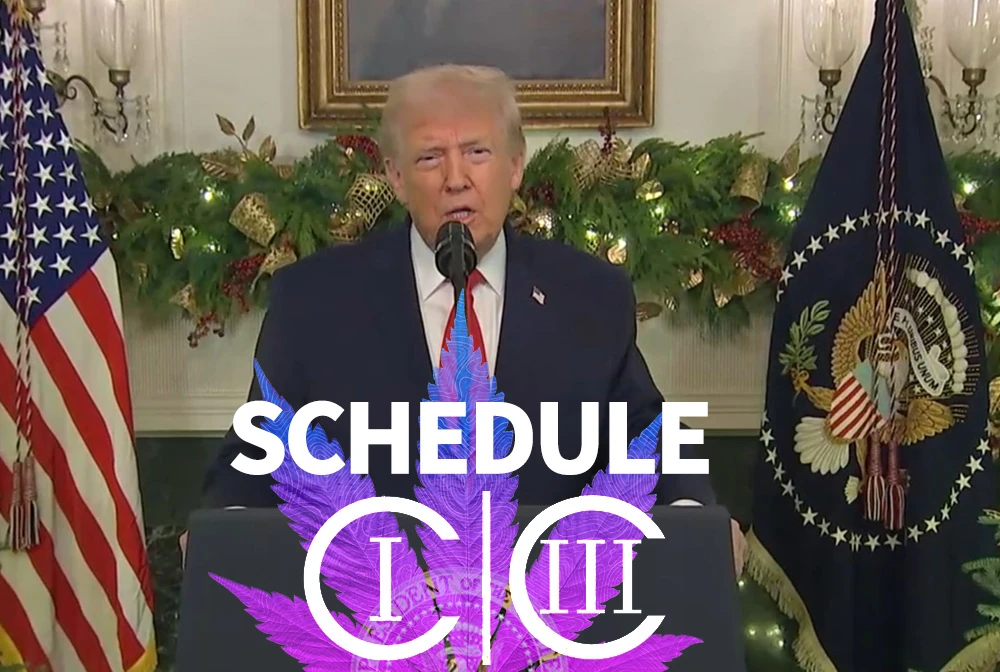
The United States cannabis market is entering an important period of regulation on Dec 18th 2025. There are two major developments happening at the federal level that could completely change the way the market operates; a potential ban on federally legal hemp-derived THC and potential rescheduling of marijuana at the federal level. The hemp THC ban is effective November 2026, but all eyes are currently on President Trump who has been scheduled to speak regarding the classification of marijuana as soon as this Thursday.
Hemp THC Ban: A Preparation to take place by November 2026:
All of the new laws will render most of the intoxicating hemp derived cannabinoids, including delta-8 THC, THCA and others illegal at the federal level. The rules would be enforceable in November 2026, so all of the hemp producers and all of those who are using these products currently have almost two years to transition their businesses.
This is simply closing the loophole created with the 2018 Farm Bill that allowed intoxicated hemp products to be sold throughout the country without the need for a state cannabis license. Products that are currently available in convenience stores, gas stations, and online are expected to be removed from the market or moved to the grey market when the law goes into effect. Most experts suggest that most hemp THC companies will be forced to close shop or pivot towards non-intoxicating hemp products or to seek to operate in a federally licensed marijuana market, where market conditions allow for this.
Marijuana Classification: Speech Sparks Speculation
This week, we are turning our attention to Washington D.C. because President Trump has indicated he will be making a statement about marijuana’s classification. While he can’t unilaterally change how marijuana is classified, the speech has sparked a frenzy of speculation among both the media and marijuana industry insiders regarding the possibility that his administration may be inclined to do the following:
- Take administrative or regulatory steps that will lead to a quicker review of how marijuana is classified;
- Urge Federal agencies to re-evaluate marijuana’s current placement as a Schedule I drug under the Controlled Substances Act;
- Convey their preference for policy regarding marijuana, which could steer legislative and agency activity.
The market considers this speech as a hypothetical catalyst since the most concrete and immediate advantage related to marijuana’s eventual reclassification will be the elimination of 280E taxes imposed by the IRS. Although we can only speculate concerning the immediate outcomes stemming from this speech, we can see investor and industry confidence being impacted by the prospects of potentially accelerated federal involvement with regard to marijuana.
Combined Impact: Winners and Losers
1. Legal Marijuana Operators — Potential Beneficiaries
- Reduced Competition: Hemp THC products exiting mainstream retail will direct consumers to licensed marijuana channels.
- Financial Upside: Even speculation around 280E relief or eventual rescheduling improves investor confidence and valuation outlooks.
- Regulatory Stability Signals: Federal acknowledgment of intent to reclassify may reinforce the long-term viability of state-licensed operations.
2. Hemp THC Sector — Structural Contraction
Many hemp companies face shrinking legal markets, compliance risk, and uncertain futures.
Likely outcomes include business exits, pivots to CBD/non-intoxicating products, or underground market activity.
3. State Market Divergence
Licensed marijuana markets in states remain largely unaffected by the hemp ban, though consumer demand dynamics may shift.
States may also adjust their own hemp or cannabis rules, creating a patchwork of legality.
Looking Ahead
Industry Consolidation: Licensed cannabis operators could consolidate, gaining market share and improving operational efficiency.
Strategic Exits and Pivots: Hemp THC companies face critical decisions — pivot, seek state licenses, or exit.
Monitoring Federal Signals: The president’s speech may influence administrative actions and investor sentiment, even if no immediate reclassification occurs.
Conclusion
As of December 18, 2025, the U.S. cannabis industry is at a regulatory inflection point. The hemp THC ban set for November 2026 will shrink the unregulated market, while the anticipated presidential remarks this Thursday could signal the federal government’s intent to accelerate marijuana classification review. While no immediate federal rescheduling is guaranteed, the combination of these factors may accelerate consolidation, shift market share toward licensed operators, and influence investor and strategic decisions over the coming year.
Share with